Asbestos in Healthcare Facilities and Treatment Residences
You deal with ongoing threats from asbestos in hospitals and care homes due to aging insulation, ceramic tiles, and structure materials that can release harmful tiny fibers when disturbed. Inhalation creates serious diseases such as mesothelioma and asbestosis, and the senior or those with damaged immunity are particularly susceptible. Disturbances during remodellings or maintenance enhance your direct exposure threat. Regulatory compliance, in-depth danger assessments, and expert removal treatments are critical. Discover sensible steps, cautioning indications, and efficient management strategies in the areas ahead.
Takeaways
- Asbestos is typically located in older health centers and care homes within insulation, ceiling ceramic tiles, floor covering, and central heating boiler locations.
- Troubling asbestos-containing materials can launch harmful fibers, increasing health dangers for patients, team, and maintenance employees.
- Vulnerable populaces like elderly citizens and those with pre-existing lung problems are at greater danger from asbestos exposure.
- Regular threat assessments, asbestos registers, and personnel training are necessary for risk-free management and lawful compliance.
- Only licensed professionals should analyze or remove asbestos, making use of strict safety methods to avoid fiber launch and contamination.
What Makes Asbestos So Dangerous in Medical Care Settings?
Often, asbestos poses a significant threat in healthcare settings due to its tiny fibers, which, when disturbed, ended up being airborne and quickly breathed in. You require to understand that asbestos awareness is essential since even small disruptions— like upkeep or improvements— can release unsafe fibers into the air. Once inhaled, these fibers can embed deeply in lung cells, resulting in extreme conditions such as mesothelioma, asbestosis, and lung cancer cells. Medical care environments commonly house prone populaces with jeopardized respiratory system systems, making the danger also higher. Direct exposure paths in hospitals and care homes include damaged insulation, old pipe lagging, ceiling floor tiles, or floor products. Without strenuous threat monitoring, you're positioning both personnel and individuals at substantial health and wellness dangers, highlighting the essential relevance of asbestos understanding and prevention strategies.
Signs Your Hospital or Treatment Home Has Asbestos
You'll want to look for visible damaged ceiling tiles and uncommon pipe insulation material, as these are both recognized signs of potential asbestos visibility. Proof reveals that friable materials in inadequate condition noticeably boost air-borne fiber danger. If you identify these indicators, it's essential to initiate a formal asbestos evaluation to minimize direct exposure risks.
Visible Damaged Ceiling Tiles
Damaged ceiling tiles, specifically those revealing cracks, water spots, or falling apart material, can usually suggest the visibility of asbestos-containing materials in older medical facilities and care homes. If you observe damaged floor tiles or ceiling particles, there's a boosted threat of asbestos fiber release into the environment. Asbestos was typically used in acoustic and fireproof ceiling panels before regulations restricted its usage. Scientific researches confirm that physical disturbance or damage of asbestos-containing items increases air-borne fiber focus, straight affecting respiratory system health and wellness. You should treat any kind of noticeable damage as a possible danger and stay clear of disrupting the location. Even minor ceiling particles can consist of tiny asbestos fibers, which aren't visible to the naked eye however posture significant health risks. Immediate assessment by accredited specialists is essential to assure security.
Unusual Pipeline Insulation Product
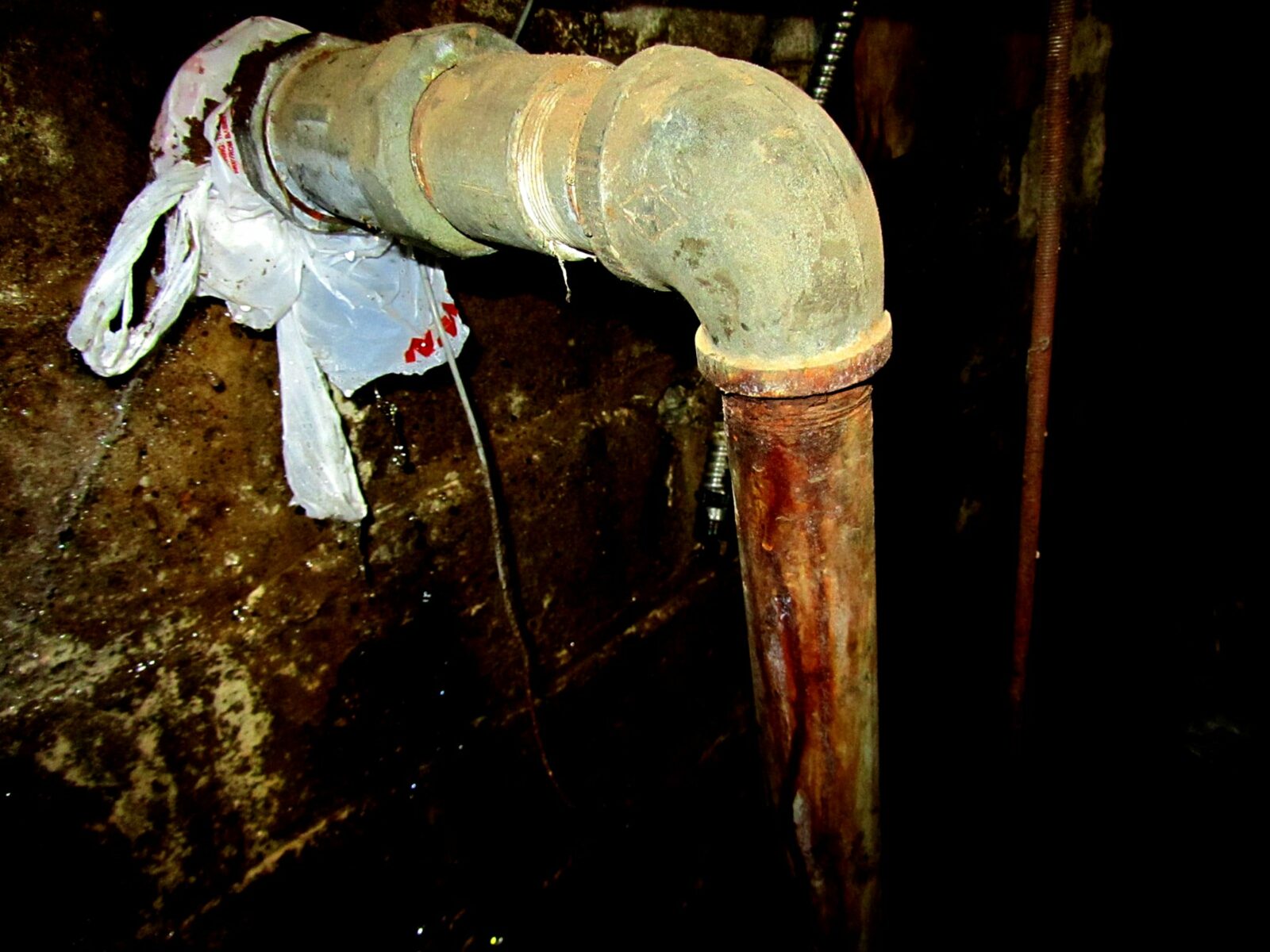
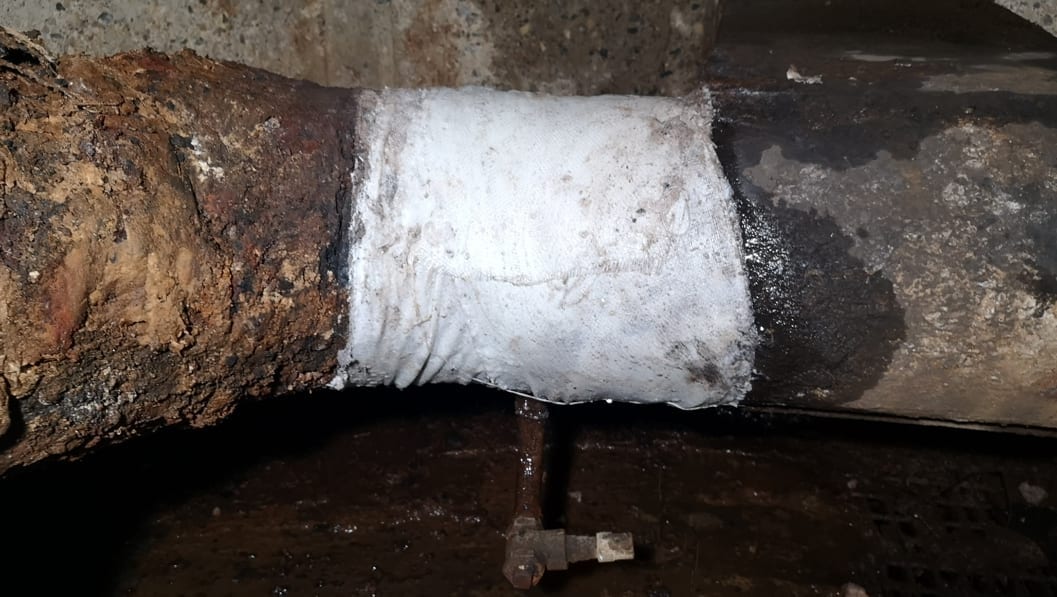
Take a closer check out the insulation products twisted around pipelines in older hospitals and care homes— uncommon, fibrous coverings or those with a milky, white, or grey appearance can indicate the presence of asbestos. Vintage lagging and vermiculite cover are specifically worrying, as both were commonly used prior to asbestos policies tightened. Asbestos pipe insulation typically looks like stiff, fractional coverings or freely packed mineral woollen. Damaged or degrading insulation poses a substantial risk for fiber release, especially if interrupted throughout upkeep.
Typical Insulation Kind
Visual Idea
Asbestos Danger
Antique Lagging
Chalky, coarse shell
High
Vermiculite Wrap
Granular, flaky cover
High
Paper or Towel Tape
Tearing or staining
Moderate-High
Modern Foam/Plastic
Smooth, artificial appearance
Reduced
Do not think safety— seek specialist analysis if you notice these indicators.
Health Threats of Asbestos Exposure for People and Personnel
Direct exposure to airborne asbestos fibers positions significant wellness risks to both patients and staff in hospitals and care homes. When you breathe in asbestos fibers, they can become lodged in lung cells, bring about persistent inflammation and boosting your danger of illness such as asbestosis, lung cancer cells, and mesothelioma. Vulnerable populaces, such as immunocompromised people, deal with heightened sensitivity. Even low-level, periodic exposure can build up over time, making long term monitoring important for early detection. Using exposure biomarkers-– such as details proteins and fiber matters in biological examples— enables you to evaluate advancing risk and determine subclinical results prior to signs and symptoms appear. Reliable threat management depends on exact recognition of exposure events and regular wellness monitoring, reducing the capacity for irreversible breathing problems in both people and healthcare staff.
How Did Asbestos Get Involved In Hospitals and Treatment Houses?
Building and construction practices throughout the 20th century ingrained asbestos-containing products (ACMs) into health centers and care homes, primarily as a result of asbestos's fireproof and insulating properties. You'll find that historic procurement policies favored ACMs since they satisfied the rigorous construction criteria of the moment, which focused on safety and security and resilience. Asbestos was specified in building regulations and technological advice, leading vendors and service providers to incorporate these materials in every little thing from insulation to fireproofing. Procurement teams and designers typically picked asbestos for its cost-effectiveness and compliance with evolving laws, not aware of its long-term wellness ramifications. As laws hung back emerging research on asbestos toxicity, you acquired a developed setting where ACMs became common. This tradition lingers, presenting consistent exposure dangers for team, people, and maintenance personnel today.
Where Does Asbestos Lurk in Medical Facilities?
You'll find asbestos most regularly in insulation, ceiling tiles, pipeline lagging, and flooring coverings throughout older clinical centers. High-risk areas consist of boiler rooms, plant areas, and solution ducts, where disturbance of products is extra likely. Acknowledging these places is vital, as proof shows exposure risk enhances noticeably when asbestos-containing products are damaged or broken down.
Usual Asbestos-Containing Materials
Several older medical facilities and care homes still consist of a selection of asbestos-containing materials (ACMs) ingrained throughout their framework. You'll frequently run into asbestos floor covering, particularly in plastic ceramic tiles and their adhesives, which can launch fibers if disturbed throughout upkeep or restorations. Gasket materials are one more substantial concern; these were widely made use of in boilers, pipework, and HVAC systems to give warmth resistance and sealing. If these gaskets come to be harmed or deteriorate, they can launch asbestos fibers right into the environment. Additionally, ACMs might exist in insulation, ceiling ceramic tiles, concrete panels, and textured coverings. Despite the fact that these materials are normally steady when undisturbed, any tasks that reduced, drill, or damage them can raise airborne asbestos direct exposure threats, requiring extensive threat evaluation and control steps.
High-Risk Facility Areas
Recognizing the particular places where asbestos is most likely to be discovered is essential to taking care of exposure threats in hospitals and care homes. You need to focus on risky center areas, as these settings usually consist of older building products that can harbor asbestos fibers. Proof suggests that damage or improvement work raises the threat of fiber release. Prioritize methodical examinations precede with frequent upkeep or where initial building products remain undamaged. Pay unique interest to:
- Individual spaces: Ceiling floor tiles, pipeline insulation, and wall surface panels may have asbestos, especially in older facilities.
- Kitchenettes: Flooring ceramic tiles, wall surface coverings, and fireproofing products might present contamination dangers.
- Maintenance passages: These frequently home pipeline lagging, ductwork insulation, and electrical panel gaskets.
- Washing locations: Asbestos might be present in flooring sheet, boiler insulation, and air flow air ducts.
Who Is A lot of in danger From Asbestos in Care Environments?
Although asbestos-related risks exist throughout care environments, specific teams face heightened susceptability because of the nature of their direct exposure. If you're an elderly homeowner, your age and prospective respiratory system concession make you more vulnerable to asbestos fibres, which can gather in the lungs and increase illness danger with time. For maintenance workers, frequent disruption of building products throughout repairs or improvements can launch asbestos fibers, leading to intense and persistent exposure.
Team
Primary Danger Variables
Senior Homeowners
Age, weakened resistance, pre-existing lung issues
Maintenance Workers
Direct call, disruption of asbestos materials
Health care Personnel
Second direct exposure, contaminated environment
Recognizing these threat profiles is important for prioritising surveillance and mitigation measures. You'll need to take into account both the frequency and duration of exposure as essential components of health outcomes in these settings.
What Should You Do If You Suspect Asbestos?
If you suspect the existence of asbestos in a health center or treatment home, you shouldn't try to evaluate or disrupt the product on your own, as also minimal interruption can release harmful fibres into the air. Asbestos direct exposure is a considerable health and wellness risk, specifically in health care setups where susceptible populations reside. Immediate, evidence-based action is crucial to secure both staff and locals. Involve specialist asbestos consultants that adhere to strict procedures. Take into consideration community outreach initiatives to inform stakeholders regarding the dangers and interim safety and security actions. Evaluate the possibility for replacing suspect products with certified different materials that do not pose the exact same dangers.
- Contact a certified asbestos expert for analysis.
- Educate management and limit access to the area.
- Launch neighborhood outreach to educate team and visitors.
- Discover qualified alternate materials for future restorations.
Exactly How Are Asbestos Studies Conducted in Healthcare Buildings?
Accomplishing an asbestos survey in medical care structures starts with an organized threat analysis tailored to the center's particular requirements. You'll need to apply a study technique that focuses on locations with high owner vulnerability, such as client rooms and a/c systems. A robust tasting approach is vital— accumulate samples just when definitely needed to reduce interruption and exposure threats. Surveys normally combine visual inspection, material tasting, and laboratory analysis to verify asbestos presence.
Action
Trick Consideration
Danger Analysis
Assess client and staff exposure
Survey Approach
Usage non-invasive techniques when feasible
Testing Approach
Targeted, very little disruption sampling
This technological technique guarantees you recognize asbestos-containing products without endangering client security or everyday medical care operations. Evidence-based decisions direct all survey activities, aligning with present threat administration best methods.
Legal Responsibilities for Handling Asbestos in Hospitals and Care Homes
Offered the increased vulnerability of occupants in healthcare facilities and care homes, regulative frameworks impose rigorous lawful duties on those in charge of handling asbestos dangers. As a duty owner, you must make particular legal conformity by sticking to relevant legislation, such as the Control of Asbestos Rules 2012. Your obligations include determining, reviewing, and handling asbestos-containing products to minimise health and wellness threats. Failing to satisfy obligation owner obligations can cause enforcement action, civil obligation, and reputational damages. It's essential to preserve robust documentation and carry out danger monitoring protocols customized to medical care settings.
- Recognize and keep an accurate asbestos register for all facilities.
- Conduct routine risk analyses to keep an eye on asbestos problem.
- Connect asbestos dangers and procedures to all staff and professionals.
- Testimonial and upgrade your asbestos administration strategy regularly.
Exactly How Is Asbestos Securely Eliminated From Medical Facilities?
Within clinical facilities, the safe removal of asbestos calls for a very controlled, systematic technique to stop fiber release and direct exposure. You'll require to involve certified asbestos removal service providers, that comply with strict regulative protocols. The process starts with a comprehensive asbestos study, identifying all contaminated materials. Critical control zones are developed, utilizing adverse atmospheric pressure and secured obstacles to separate the work area and maintain healthcare facility logistics. Elimination teams use personal protective devices and use specialized devices for secure removal. Asbestos decontamination systems are established for both personnel and waste, making sure no fibers get away into professional locations. Air monitoring throughout and after the elimination procedure confirms fiber degrees remain listed below regulative limits. Comprehensive paperwork sustains compliance and future danger evaluations, underpinning a safe medical environment.
Maintaining Clients, Personnel, and Site Visitors Safe From Asbestos Exposure
While strenuous asbestos removal procedures remain in location, keeping the security of clients, team, and site visitors needs split threat controls throughout the center. You need to make sure that all teams are secured from unintended asbestos direct exposure by incorporating robust technical and administrative controls. Proof reveals that direct exposure risk can persist during regular upkeep or unanticipated disruptions, so aggressive management is crucial. https://westcombeparkasbestosremoval.co.uk/services/soft-strip-demolition.html Implementing individual testing and site visitor protocols minimizes unnecessary call with potential asbestos-containing locations, while continuous team training warranties quick action to events.
- Monitor air top quality often making use of accredited logical approaches.
- Limit access to risky areas with clear signage and physical barriers.
- Enforce detailed individual testing and site visitor protocols prior to facility access.
- Offer regular asbestos understanding training to all personnel, upgrading procedures as new dangers emerge.
Actions Towards Producing Asbestos-Free Healthcare Facilities
To minimize asbestos-related risks in health care setups, you'll need to prioritize an extensive threat evaluation that determines all prospective resources of direct exposure. Evidence supports the application of regulated removal protocols and containment techniques to stop fiber launch throughout reduction. It's also essential to develop continuous staff training programs to keep recognition and guarantee compliance with current safety and security regulations.
Comprehensive Asbestos Threat Assessment
Although asbestos use has been banned in several nations, an extensive danger assessment remains important for health care facilities created prior to 2000, as these structures may still consist of heritage asbestos products. You'll need to systematically determine and examine all prospective asbestos-containing products (ACMs) to decrease direct exposure threats for people, personnel, and site visitors. Exact patient surveillance and equipment purification procedures need to be developed if asbestos is present, making certain security and regulatory compliance. An evidence-based technique will assist you focus on high-risk zones, such as central heating boiler spaces and insulation systems, and minimize airborne fiber risks.
- Recognize all ACMs via surveys, mass sampling, and research laboratory analysis. https://westcombeparkasbestosremoval.co.uk
- Evaluate condition and disturbance capacity of ACMs in high-traffic areas.
- Apply client surveillance for early detection of asbestos exposure.
- Develop equipment decontamination protocols to stop cross-contamination.
Safe Elimination Procedures
Initiate safe removal treatments by engaging licensed asbestos reduction professionals who comply with stringent governing standards. You need to make sure that controlled elimination is prioritized to decrease air-borne fiber launch. This procedure calls for the application of rigorous containment methods, such as securing off affected areas using adverse pressure enclosures and HEPA filtering systems. Adherence to these protocols protects against cross-contamination within healthcare atmospheres, protecting at risk patients and team from exposure.
Before removal, conduct air surveillance and use personal safety devices (PPE) for all employees included. Waste products should be double-bagged, labeled, and disposed of at authorized contaminated materials centers. Paper each action to keep regulative compliance and provide proof of risk mitigation. By adhering to these evidence-based, risk-focused treatments, you'll support the development of asbestos-free healthcare centers.

Ongoing Staff Training
On a regular basis updating staff knowledge is vital for preserving a risk-free atmosphere in hospitals and care homes with asbestos risks. You require to guarantee that all workers understand exposure threats, regulatory conformity, and emergency situation procedures through recurring team training. Executing structured refresher modules and circumstance simulations helps you enhance threat awareness and develop action skills. asbestos inspection Data reveals that recurring training considerably lowers event prices by keeping alertness and procedural accuracy. Effective training isn't fixed; it should adjust to brand-new laws and facility changes.
To optimize your asbestos danger management, incorporate:
- Compulsory yearly refresher course components based on existing regulation and finest techniques
- Situation simulations that simulate real-life asbestos exposure incidents
- Digital monitoring of staff engagement and proficiency
- Immediate updates when brand-new hazards or materials are identified
Constant education reduces long-lasting health dangers.
Frequently Asked Concerns
Can Asbestos Affect Medical Equipment in Hospitals and Care Houses?
Yes, asbestos can impact medical equipment. If fibers become airborne, they might decide on surface areas, resulting in tools contamination. This postures a risk, as microscopic particles are difficult to find and eliminate. Furthermore, asbestos presence can hinder sterilization procedures, as standard cleansing may not eliminate fibers. Consequently, you must evaluate dangers rigorously and carry out stringent controls to prevent asbestos-related dangers that can jeopardize both person security and devices stability.
Are There Financial Assistance Programs for Asbestos Removal in Healthcare Facilities?
Yes, you can access monetary support programs like federal government grants and reduced rate of interest financings for asbestos removal in healthcare centers. Proof shows that these financing choices help offset significant removal prices, reducing your financial danger. textured coating removal Eligibility requirements frequently require showing the threat degree and compliance with regional regulations. It's vital to examine available programs completely so you can execute reliable, risk-free asbestos reduction while maintaining your facility's functional integrity and lessening client and personnel direct exposure.
Is It Safe to Check Out a Healthcare Facility Going Through Asbestos Remediation Job?
Yes, it can be risk-free to visit a health center undergoing asbestos remediation if strict site visitor security protocols are imposed. You'll want to ensure the facility utilizes advanced airborne control measures, such as unfavorable stress enclosures and HEPA filtration, to minimize fiber launch. Proof reveals that when removal zones are properly isolated from public locations, the threat of asbestos exposure is exceptionally low. Constantly follow uploaded guidelines and prevent limited areas for peak risk reduction.
Just How Does Asbestos Influence Insurance Policy Coverage for Health Care Institutions?
Picture your healthcare facility finds asbestos during restorations— your insurance firm might enforce stricter liability limitations or perhaps pass plan exclusions for asbestos-related claims. This implies you might face substantial out-of-pocket expenses if an exposure case occurs. Insurance providers frequently reassess protection terms, enhancing premiums or leaving out asbestos responsibilities completely, as a result of the high threat and historical lawsuits prices. Proof shows insurance claims connected to asbestos can swiftly exceed conventional obligation limits, intimidating your institution's monetary security.
What Training Is Needed for Medical Facility Personnel Pertaining To Asbestos Understanding?
You'll need to complete asbestos training that covers identification, danger analysis, and emergency situation procedures. This training assurances you understand your personnel responsibilities in recognizing asbestos-containing materials and reporting potential dangers. Evidence-based protocols worry the value of lessening disturbance to avoid fiber release. Regular correspondence course are called for, as laid out by regulative bodies, to maintain you upgraded on secure job techniques and lawful obligations, minimizing the risk of accidental direct exposure and obligation.